


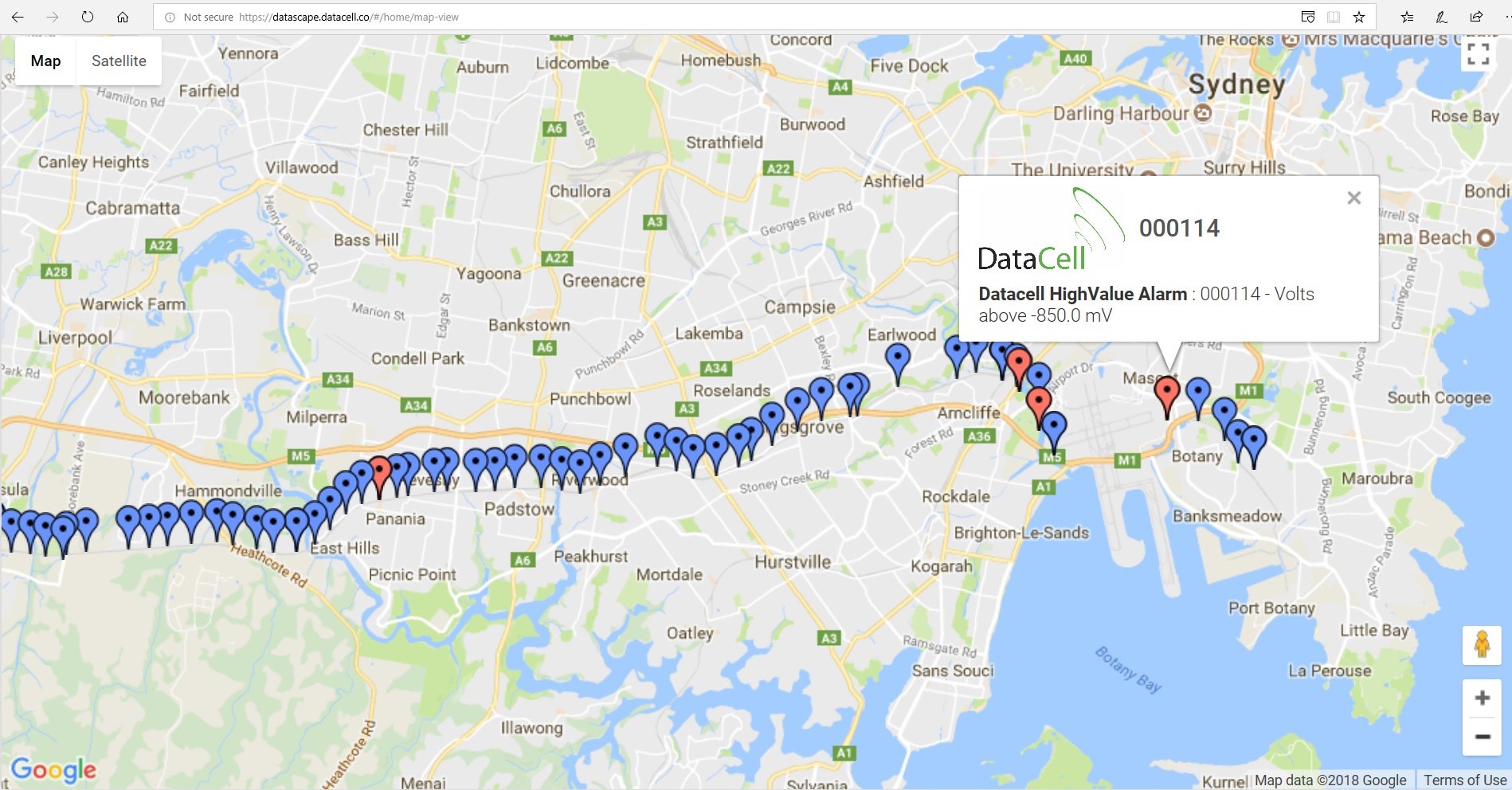
DataScape and DataCell are designed, built and supported as one system, for networks measured in thousands of points rather than dozens.
One system, one source of accountability
Hardware, firmware, the cloud platform and the analytics are all ours. When a site stops reporting there is no question of whether it's the logger, the network or the portal, and no vendor pointing at another vendor. We are responsible for the data getting from the remote site to your screen, without exception.
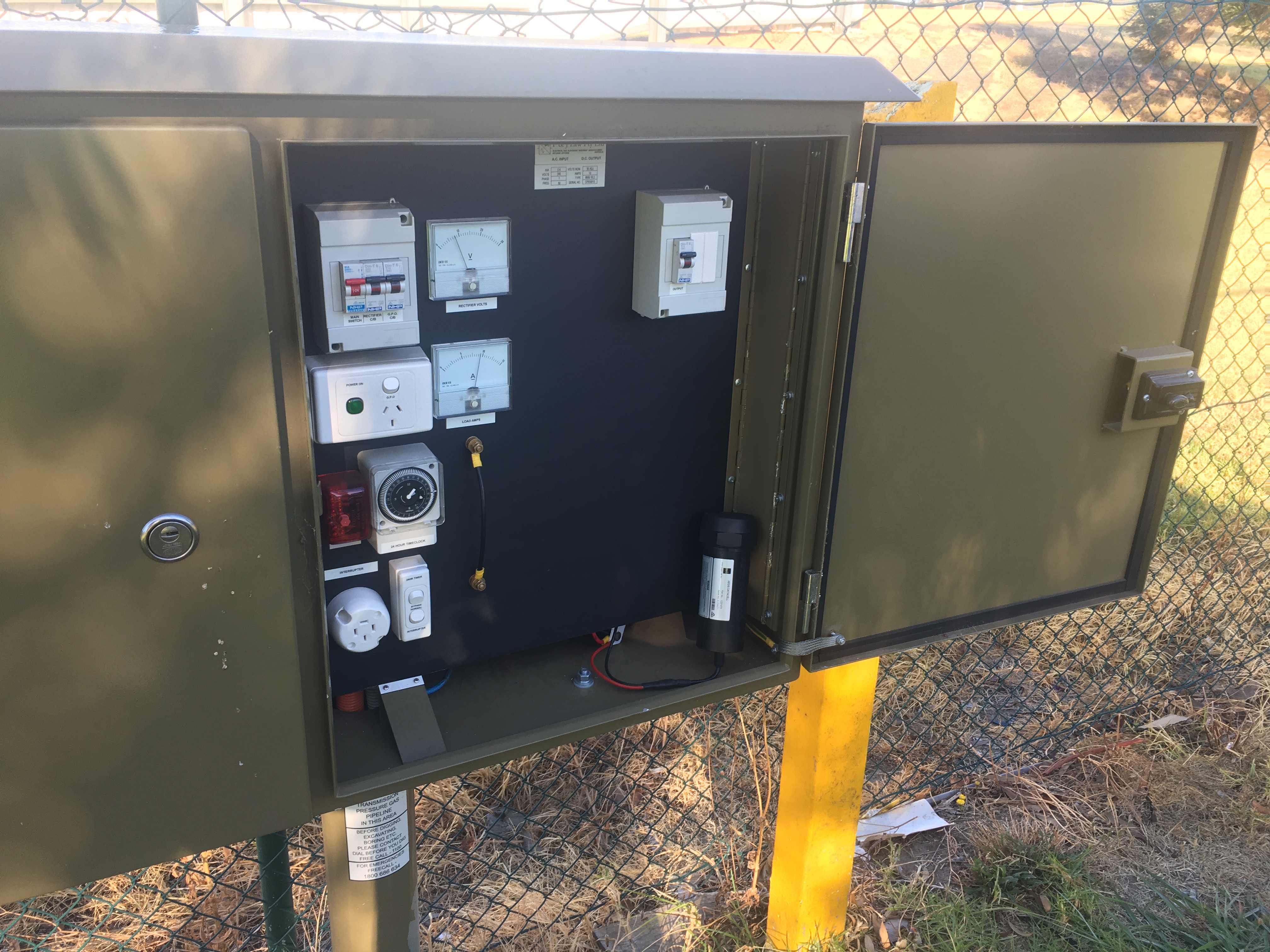
That matters most on the sites you visit least. A test point in a rail corridor, or a rectifier two hours down an easement, is exactly where a split supply chain costs you a second trip.
It also means the system develops as one. A change to how a logger reports arrives in the portal at the same time, tested together, rather than waiting on someone else's release cycle.
Designed around the cost of deployment, not the cost of the unit
Purchase price is the smallest part of monitoring a large network. Installation labour, the visit to commission each point, ongoing connectivity, and maintenance across the asset's life all dwarf it. A unit that is twenty per cent cheaper and takes an extra hour to install is not cheaper.
DataCell products are designed around those numbers rather than the sticker price:
- Installation — units are configured before dispatch and fit existing test point and rectifier enclosures, so a typical install is a connection rather than a modification.
- Commissioning — a unit registers itself against DataScape when it first reports, so there is no separate commissioning visit and no laptop in the field.
- Battery life — Approx 3 years at a 15minute logging interval.
- Connectivity — cellular data is managed on a fleet basis rather than per SIM, so adding points does not mean adding accounts to administer.
The result is that full network coverage becomes a decision about value rather than a budget problem. Monitoring every test point on a pipeline is a different proposition to monitoring the six you could justify.
Built for where the assets are
Australian infrastructure is not in a laboratory. DataCell hardware is designed and manufactured here for coastal salt air, roadside pits, flood-prone easements and outback heat.
- IP66 rated housing
- Units installed in 2019 are still reporting
Proven at scale
Around 8,000 DataCell devices report into DataScape across more than 60 customers in water, gas, rail and industrial networks.
That matters because scale is where monitoring systems fail. A platform that works for twenty loggers behaves differently at two thousand — in alarm handling, in reporting, in how long it takes to find the one site that matters this morning. DataScape has been built against real networks of that size rather than scaled up from a pilot.
What it changes day to day
- Site visits to remote or difficult locations are reduced to the ones that need a technician, not the ones the schedule demands.
- Faults are found when they happen rather than at the next inspection, so an asset is not left unprotected for weeks.
- Compliance records are complete and timestamped automatically, with no transcription errors and no missing readings. AS 2832 reporting becomes an export rather than an exercise.
- Surveys across an entire fleet can be initiated from a desk, with interruption synchronised across sites.